cooking food
  Thai Food   Thai Cuisine   Thai Recipes   Thai Restaurant  
Thai Food Plus . com  
Home of Thai Food All Thai Recipes Thai Restaurant Dir Thai Food Articles Resource Directory
 
 
Bookmark Now!
 
Home Page
Thai Recipes
  Curry
  Dessert
  Thai Rice
  Noodles
  Salad
  Seafood
  Soup
  Stir Fry
  Vegetarian
  More Thai Dishes
Thai Restaurant Directory
  USA/America
  Canada
  Japan
  UK/England
  Australia
  Thailand
Thai Food Articles
Resource Directory
Add Thai Restaurant
Link Exchange
 
Google


Instawares Restaurant Supplies & Equipment

Instawares Restaurant Supply Superstore


  Free PageRank Tool


Thai Cooking
 

Welcome all Thai food lover!


Recipe of the Day :
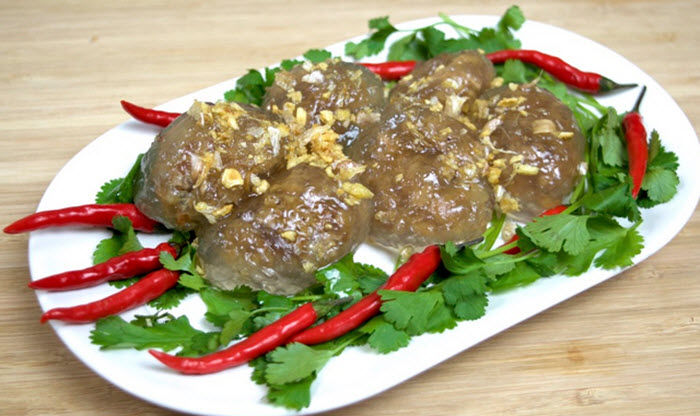
Boiled Stuffed Bitter Gourd (Tom Ma-Ra Yat Sai)

INGREDIENTS:
2
Chinese bitter gourds
200 grams
white prawns
200 grams
pork
1 1/2 tbsp
fish sauce
11/2 cups
soup stock or water

Boiled Stuffed Bitter Gourd  (Tom Ma-Ra Yat Sai)
 
PREPARATION:
1. Wash the bitter gourds, cut them crosswise into 3- inch sections and remove the insides with a fork

2. Wash the prawn and shell them ; only the meat is used.

3. Chop the prawn and pork together, mix in the fish sauce, and fill the bitter gourd sectionswith the mixture.

4. Place the filled sections in a pot, pour in the stock, put the lid on the pot, and simmer until the gourd is tender, Taste, and add more fish sauce if you wish.


Thai recipe source:
Delicious Thai Cuisine

You can order this book now via this link
Thai Recipes Originally by
Sangdad Publishing Co.,Ltd
.

Google
 

 Thai Curry

Wild Ginger Fish Curry
Kaeng Khua Krachai Pla Chawn
Chicken Boiled with Galangal in Coconut Milk
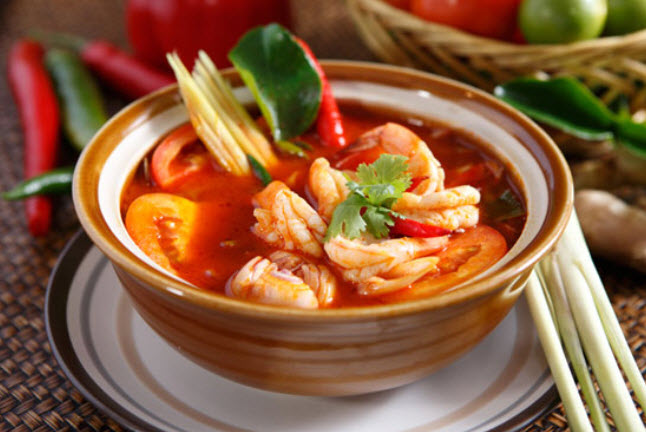
Tom Kha Kai


 Thai Soup #1 2

Boiled Stuffed Bitter Gourd
Tom Ma-Ra Yat Sai
Omelette in Broth
Kaeng Jeut Khai Jiao
Boiled Mackerel Steak
Pla Tom Khem


 Thai Noodles #1

Thai-Style Fried Noodles
Sen Jan Pad Thai
Fried Egg Noodles with Fish
Ba Mee Phat Neau Pla
Fried Noodles and Prawns Gravy
Kuaytiaw Phat Naa Kung

Instawares Restaurant Office Supply

 Thai Salad

Crispy Vegetable Spicy Salad
Yam Bai Cha Phlu Tod Krawp
Chicken Spicy Salad
Kai Plah
Okra Spicy Salad
Yam Kra Jiab Mawn

 Thai Seafood #1 2

Seafood Spicy Salad
Yam Thaleh
Seabass and Ginger Soup
Pla Kaphong Tom Khing
Steamed Fish in Garlic Sauce
Pla Neung Sauce Krathiam

 Thai Rice #1 2

Basil and Prawn Fried Rice
Khao Pad Kaphrao Goong
Rice in Oyster Sauce
Khao Rat Neua Phat Namman Hoi
Rice with Chicken Curry
Khao Kap Kaeng Kai

 More Thai Dishes
#1 2 3

Boiled Fish with Spicy Dip
Pla Khang Luak Jim
Fried Sheatfish in Curry Paste
Pla Nuea Awn Phat Phrik Khing
Sheatfish in Chu Chi Curry
Chu Chi Pla Neua Awn


 Thai Vegetarian

Vegetarian King Crab-roe Spicy Salad
Yam Khai Maendaa Thiam
Vegetarian Fried Rice
Khao Phat Phak
Vegetarian Fried Noodles
Mee Phat Yaa Jok

 Thai Dessert #1 2 3

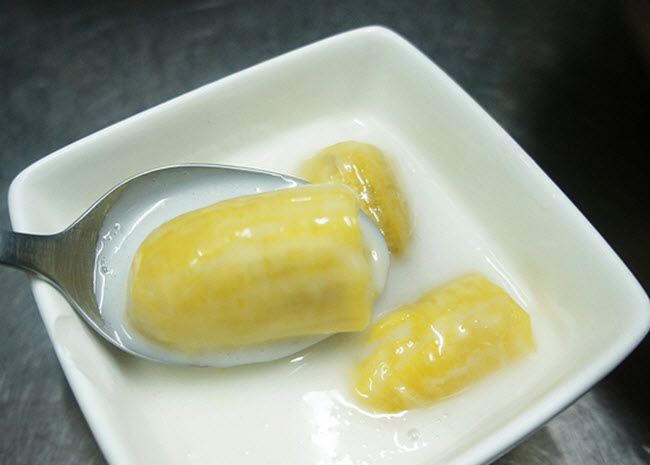
Banana in Coconut Milk
Kluay Buat Chee
Black Beans in Coconut Cream
Thua Dam Kaeng Buat
Sweet Mung Bean Porridge with Coconut Cream
Tao Suan

 Thai Stir Fry #1 2

Crispy Herbal Stir-fry
Phat Samun Phrai
Curried Crab Stir-fry
Puu Phat Phong Karee
Fried Potato with Mushrooms
Man Farang Phat Het

     Instawares Restaurant Supply Superstore


Thai Cuisine Article of The Day:
Amazing Thai Recipe

  By Barney Garcia

Bamboo Shoots: Bamboo shoots are called for in many Thai recipes. In order to prepare a bamboo shoot for cooking you need to peel them and boil the white inner stalks for 30 minutes in water. If you are using canned bamboo shoots you will only need to boil them for 10 minutes, or if they are going into curries or soups, boiling might not be required.

Basil (fresh): There are three types of basils used in Thai cooking; sweet, holy and lemon. Sweet basil is much easier to find because it is commonly used in western cooking. Holy basil has a spicier taste and can be recognized by it's slightly purple leaves. Lemon basil has a lemony flavor and can be detected by its distinct lemony scent. If you can only find sweet basil you can compensate for holy or lemon basil by adding finely chopped chili peppers or a bit of lemon rind.

Bergamot: Also known as kaffir lime leaves has a slightly limey flavor which goes well with all Thai dishes. Since this may be hard to find, granted lime rind can be used in its place although it is a poor substitute.

Chili paste: This can be bought in bottles or tubes in almost any supermarket. Used for adding spice and flavor to most dishes, a particularly popular version by Thai cooks is burnt mild chili paste.

Chinese mushrooms: Mushrooms are added to a lot of Thai cooking and many people chose to use the dried variety because they are cheaper and have just as much flavor and nutritional value. You will need to soak the mushrooms in warm water for 30 minutes before using them and the stems are usually discarded because of their tough nature.

Coconut milk: Coconut milk can be bought in cans almost anywhere. If the recipe you are using calls for coconut cream scoop the harder white substance that has formed at the top of the can. If you need coconut milk, stir the can thoroughly before using.

Curry Paste: While some people prefer to prepare their own curry pastes, many bottled curries are available at the supermarket. Most recipes use red, green or yellow curry.

Fish sauce: Made from collecting the liquid off of fermenting salted fish, this pale, watery brown sauce is sometimes used to replace all the salt in recipes. It is very flavorful and compliments all Thai food. It is called for in many recipes but you can also use your imagination with it, as it is very versatile.

Galangal: A close relative to ginger, is used in many curries and soups. Since it is quite rare to find fresh you will probably have to purchase it dry and soak it in water for 1 hour before using.

Garlic: Thai garlic might be available in some Asian markets, however if you cannot find it, the Western variety will work just as well. Use the smaller, tighter cloves on your garlic head for Thai cooking because they are more flavorful and will not be over powered by the other herbs and spices used in your dish.

Ginger: Easy to find and used quite often in modern cooking, ginger is extremely healthy and flavorful. It must be peeled before it is grated or chopped. Fresh ginger is much better than dried, although dried may be substituted if needed.
  Lemon grass: Lemon grass is one of the most commonly used items in Thai cooking. It is a long stalk that looks like a small leek. The hard outer portion should be removed and the lower, bulbous part is used. You can either add sliced pieces to your food while it is cooking and remove them before serving your dish, or you can blend them in a food processor so they can be consumed with the dish, which will give it more flavor.

Palm Sugar: Some Thai recipes call for palm sugar which is available in some Asian markets as cellophane wrapped blocks. If palm sugar is unavailable you can substitute with dark brown sugar or real maple syrup.

Rice: Thai people prefer long-grain white Jasmine rice. This is a flavorful and aromatic rice that cools and compliments spicy Thai dishes.

Rice papers: Used for making fresh Thai spring rolls, you can buy rice papers at any food store. To use soak papers (one at a time) in warmish water until they are soft and pliable, then dry off with paper towel and use immediately.

Sesame Oil: A vegetable oil that comes from pressed sesame seeds and originated in East India. This is a very flavorful oil and works very well with Thai cooking.

Preparation and cooking techniques:

Vegetables: Vegetables used in Thai cooking should be cut as finely as possible. The idea is that the smaller they are chopped, the less time they will need to be cook, therefore retaining as much nutrients as possible.

Stir frying: Most people have cooked a stir fry before, so will be familiar with this method of cooking. Oil should be poured into a wok and vegetables should be added over high heat while being constantly stirred. Vegetables should only be stir fried for a couple of seconds so they remain crisp and brightly colored.

Mortar and Pestles: Perfect for making sauces, curry pastes and salads, every Thai cook should own a mortar and pestle preferably made out of clay or wood.

Mincing: Since Thai cooking uses so many intensely flavorful ingredients they should all be chopped very finely so one flavor never overpowers the other. You should always use a very sharp knife for this.

Roasting and grinding spices: When adding spices and herbs to your Thai dish you should always roast them by slowly heating each spice individually in pan until they begin to crackle and turn brown. When each spice is done roasting they should be ground very finely in a food processor or mortar.

About the Author: Barney Garcia writes about many different topics. www.diets-for-health.info and www.fantastic-detox-diet.info and www.fantastic-detox-diets.info

Source: www.isnare.com


Best Thai Food Articles on The Internet .

 
  • What Has Thai Food Got To Offer For Vegetarians?
  • The Taste Of Thai Food
  • The Charm Of Thai Food
  • Thai Food For Health
  • Thai Food
  • Spices Thai Food Galangal, Nutmeg Tree And Krachai
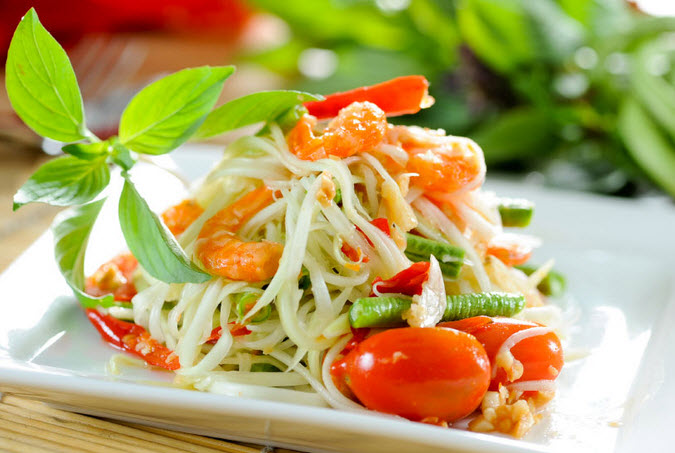
  • Papaya/Mango Salad Thai Style
  • Life Secrets From Thai Food
  • Hot And Spicy - Is That What Thai Food All About?
  • Chao Wang Food And Thai Food Of Each Festival
  •  
  • Top Ten Favourite Thai Food
  • The History of Thai Food
  • Thai's foods of Thailand Knowledge
  • Thai Food and Culture
  • Tasty Thai Food - Spicy, Salty, and Sour
  • Place for Thai food: Chelsea Thai
  • Mystery Of Thai Food
  • Introduction To Thai Food - Thai Curry, Pad Thai And Stir-Fry
  • Food For Health - Thai Food
  •  


    See People talk about Thai food


     Back to Top
    © Copyright 2007 ThaiFoodPlus.com. All Rights Reserved
    Contact us at webmaster at ThaiFoodPlus.com

      Back to Top